

Genres and Styles in Photography
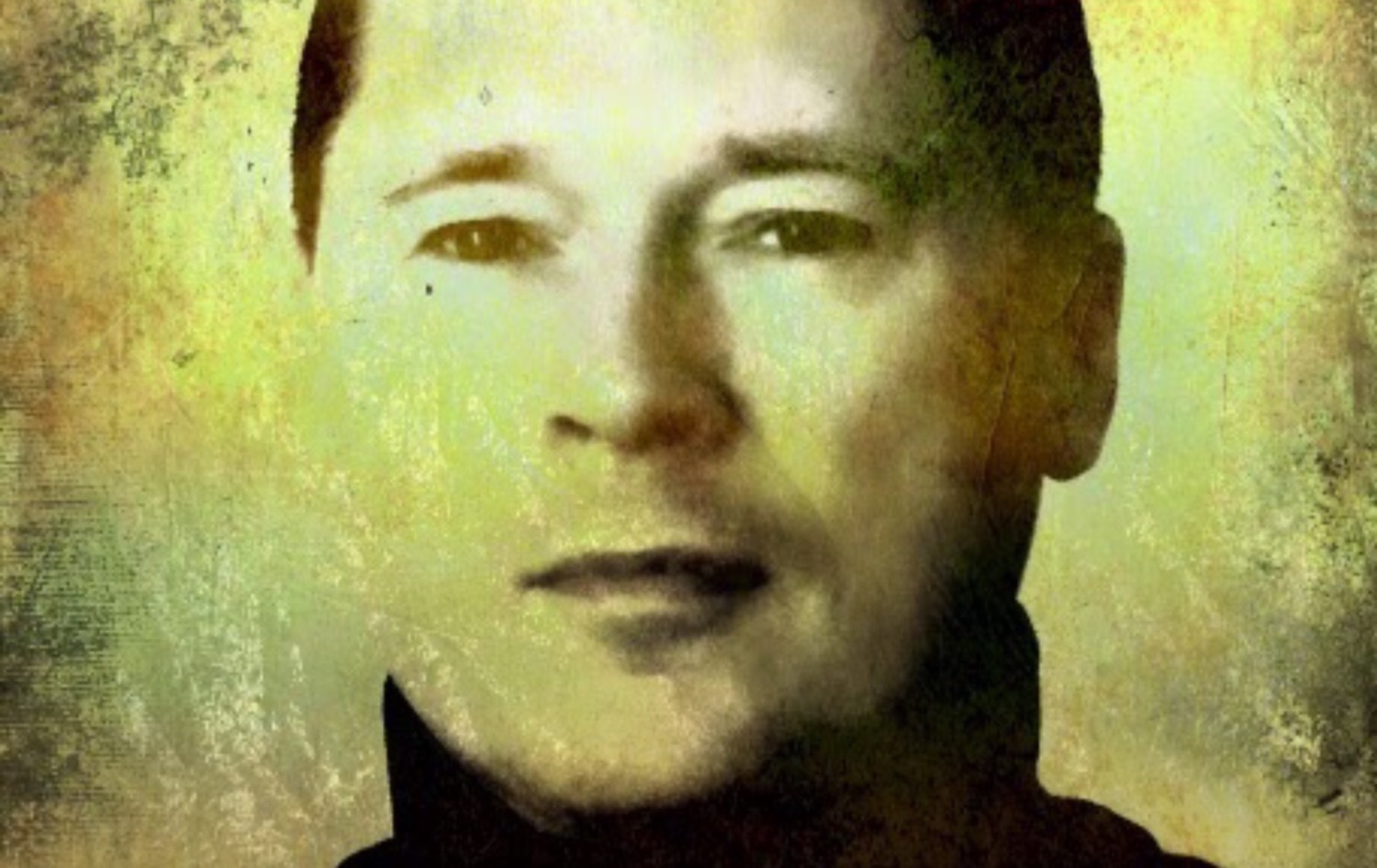
Observational photography and constructed (or interactional/dictational) photography represent two opposite ends of the photographic spectrum. Observational photography focuses on
capturing life as it happens without interference, while constructive/interactional photography involves the photographer actively directing, staging, or manipulating the scene to meet a specific vision.
Observational vs. Constructed Photography
The primary difference lies in the role of the photographer regarding the scene.
Observational Style (The "Fly-on-the-Wall"):
Constructed Style (The "Director"):
Observational Photography

Definition: The photographer acts as a non-intervening observer, often described as "fly-on-the-wall," recording events exactly as they unfold.
Characteristics: Subjects are usually unaware of the camera, leading to authentic, candid, and unguarded moments. The photographer adds, removes, or changes nothing.
Examples: Street photography, documentary photography, photojournalism (candid), and nature photography.
Goal: To capture "truth," authenticity, and raw emotion without the photographer's influence.
Technique: Often involves working from a distance, using natural light, and waiting for the right moment.
Goal: To document reality, events, or subjects in a truthful and unbiased manner without interference.
Method: The photographer acts as a witness, capturing what already exists in a physical state. They do not pose subjects, arrange the scene, or manipulate the environment.
Common Genres: Documentary, Street, and Photojournalism.
Key Philosophy: The scene would have happened exactly the same way even if the photographer hadn't been there.
Constructed Photography ("Directed/Staged")

Definition: The photographer acts as a director, creating, manipulating, or staging the scene to match an imagined outcome.
Characteristics: Sets are curated, lighting is controlled, and subjects are often posed or guided. It focuses on the artist's interpretation rather than objective reality.
Examples: Fashion photography, commercial/advertising work, studio portraiture, and conceptual art photography. conceptual photography, where the idea takes precedence over the reality of the scene
Goal: To achieve a specific aesthetic, narrative, or dramatic effect.
Technique: Involves lighting setups, props, and detailed direction of subjects.
Goal: To bring a specific idea or creative vision to life, often for artistic or commercial purposes.
Method: The photographer actively controls every element, including lighting, model selection, facial expressions, and set design.
Common Genres: Fashion, Fine Art/Conceptual, and Commercial/Product photography.
Key Philosophy: The image is a fiction built by the photographer's imagination rather than a record of a pre-existing reality.
Key Differences at a Glance
Feature | Observational | Constructed/Directed |
Photographer's Role | Observer, Witness | Creator, Director |
Scene Control | None (natural state) | High (staged/manipulated) |
Authenticity | High | Low (interpreted reality) |
Lighting | Mostly Natural | Often Artificial/Controlled |
Typical Genre | Documentary, Street | Commercial, Fashion |
The Middle Ground: Interactional Photography
Some styles exist between these two extremes, known as interactional or lifestyle photography. In this approach, the photographer might choose the location and light (constructed) but allows the subjects to act naturally within that setting, or provides minimal direction, placing it between purely observational and fully dictated styles.
Core Photography Genres
Portrait Photography: This genre focuses on capturing the likeness, personality, and mood of an individual or group. It often relies on lighting and composition to draw attention to the subject's face and eyes. Common sub-types include professional headshots, environmental portraits, and family photography.
Landscape Photography: This style aims to depict the grandeur of the natural world, from sweeping mountain ranges to serene fields. Photographers often use wide-angle lenses and shoot during the "golden hour" (sunrise or sunset) to capture the best natural light. It is frequently practised by those seeking to document the earth in its untouched state.
Macro Photography: Macro photography involves extreme close-ups of tiny subjects like insects, flowers, or textures, rendering them larger than life-size. This style reveals intricate details invisible to the naked eye. It typically requires specialised macro lenses and a steady setup due to an incredibly narrow depth of field.
Artistic and Commercial Styles
Fine Art Photography: Unlike genres that document reality, fine art is defined by the photographer's personal vision and creative expression. The goal is to produce an image that stands as a piece of art, often using digital manipulation or experimental techniques. It focuses more on the aesthetic and conceptual value than on providing an accurate record.
Fashion and Editorial Photography: Fashion photography is a commercial style designed to sell clothing and accessories, often through highly stylised and directorial methods. Editorial photography is closely related but focuses on telling a specific story or supporting a written article in a magazine. Both styles rely heavily on professional models, specific locations, and controlled lighting.
Street and Documentary Photography: These styles often overlap with observational photography, focusing on candid moments of everyday life in public spaces. Documentary photography takes this a step further by aiming to chronicle significant social issues or historical events over time. Authenticity is the priority here, with minimal editing allowed to ensure the "truth" of the scene is preserved.
Technical and Niche Styles
Astrophotography and Long Exposure: These styles use technical settings to capture what the human eye cannot see in real-time, such as the stars, the Milky Way, or the motion of water. Long exposure involves leaving the shutter open for seconds or minutes to create a sense of movement. Specialized equipment like tripods and trackers are often necessary for these shots.
Abstract and Surreal Photography: Abstract photography focuses on shapes, colours, and textures rather than a recognisable subject, often using extreme close-ups or unusual angles. Surreal photography uses composite imaging or digital manipulation to create dream-like, provocative scenes that defy reality. Both styles prioritize the emotional reaction of the viewer over literal representation.
Professional and Technical Styles
Architectural and Interior Photography: Architectural photography focus on accurately representing buildings and structures, emphasizing design, aesthetics, and structural form. Photographers often use specialized tilt-shift lenses to correct perspective distortion. While related, interior photography is often more about the mood and "feel" of a room, requiring careful light balancing between windows and artificial strobes.
Sports and Action Photography: This style is defined by capturing fast-moving subjects in high-pressure environments. Photographers use high shutter speeds and telephoto lenses to freeze motion and bring the viewer closer to the action. It requires a deep understanding of the subject to anticipate "peak moments," such as a goal being scored or a runner crossing the finish line.
Concept-Driven Styles
Conceptual Photography: In this style, the photograph is used to illustrate a specific idea or concept. The image is often pre-planned down to the smallest detail to ensure the message is clear. It is frequently seen in advertising or fine art, where the literal subject is less important than the emotion or thought it provokes.
In Summary: In photography, the observational style is frequently contrasted with the constructed style. While one focuses on capturing the world as it is, the other focuses on creating a world from the photographer's imagination.


Great blog artical